How much should a first kids golf set cost?
Toy set, specialist first set or full junior range? What you get at each price level, what is worth paying for at three to five, and the cheaper routes that work.

Ferdinand Witt-Dörring
Co-founder, WOOW Golf
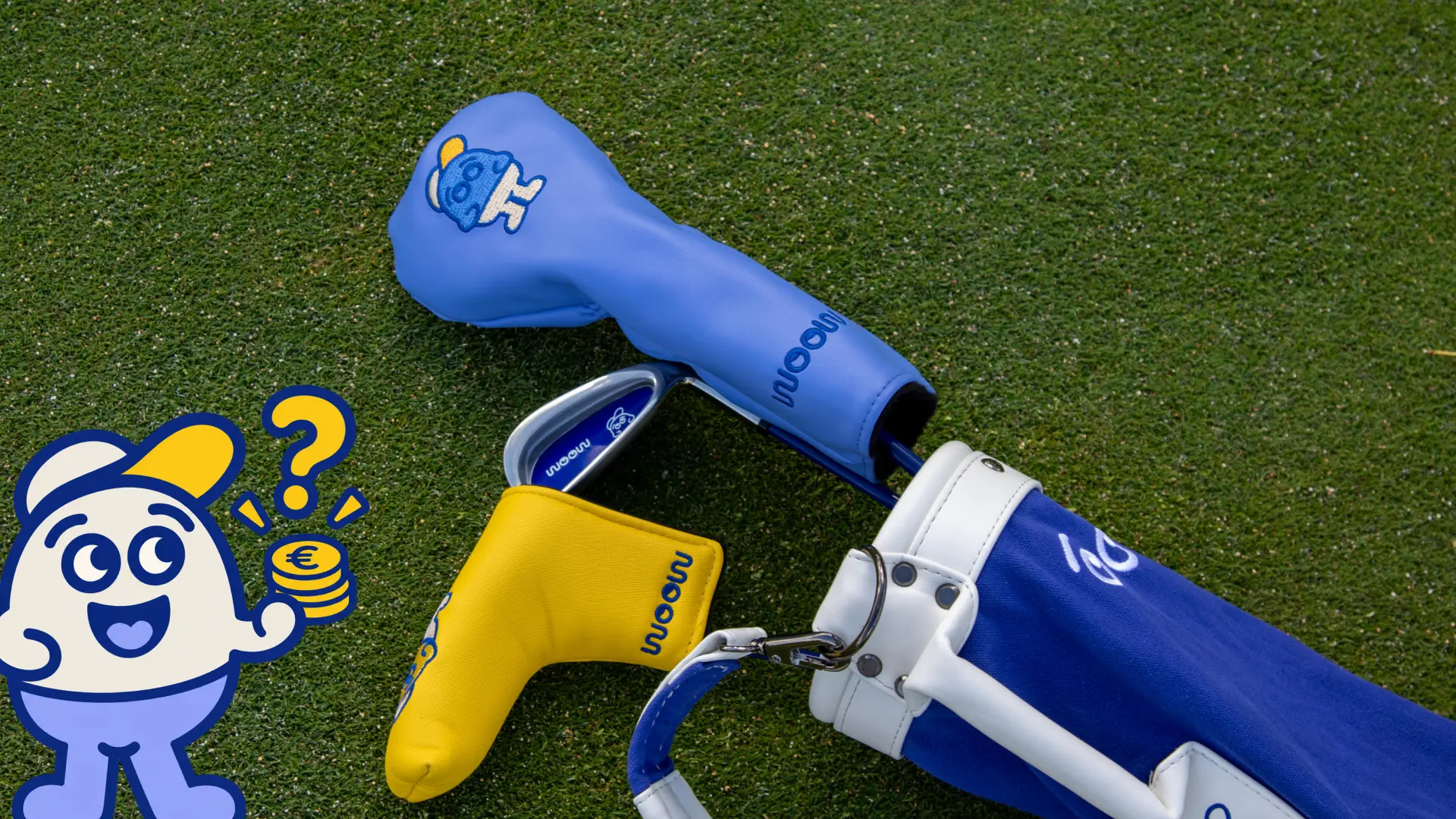
First golf sets for young children are sold at almost every price, from a supermarket toy to a fitted junior bag that costs as much as an adult driver. Here is what you actually get at each level and what is worth paying for when the child is three, four or five.
The three price levels
Toy sets
Plastic heads, plastic shafts, sold in toy aisles and marketplaces. They are light, they are safe indoors, and for a two or three year old who mostly wants to copy you, they do the job. What you do not get is a ball that goes anywhere off grass, which is where a child starts deciding whether they are any good at this.
Buy one if the goal is play. Do not buy one expecting a trip to the driving range to go well.
Specialist first sets
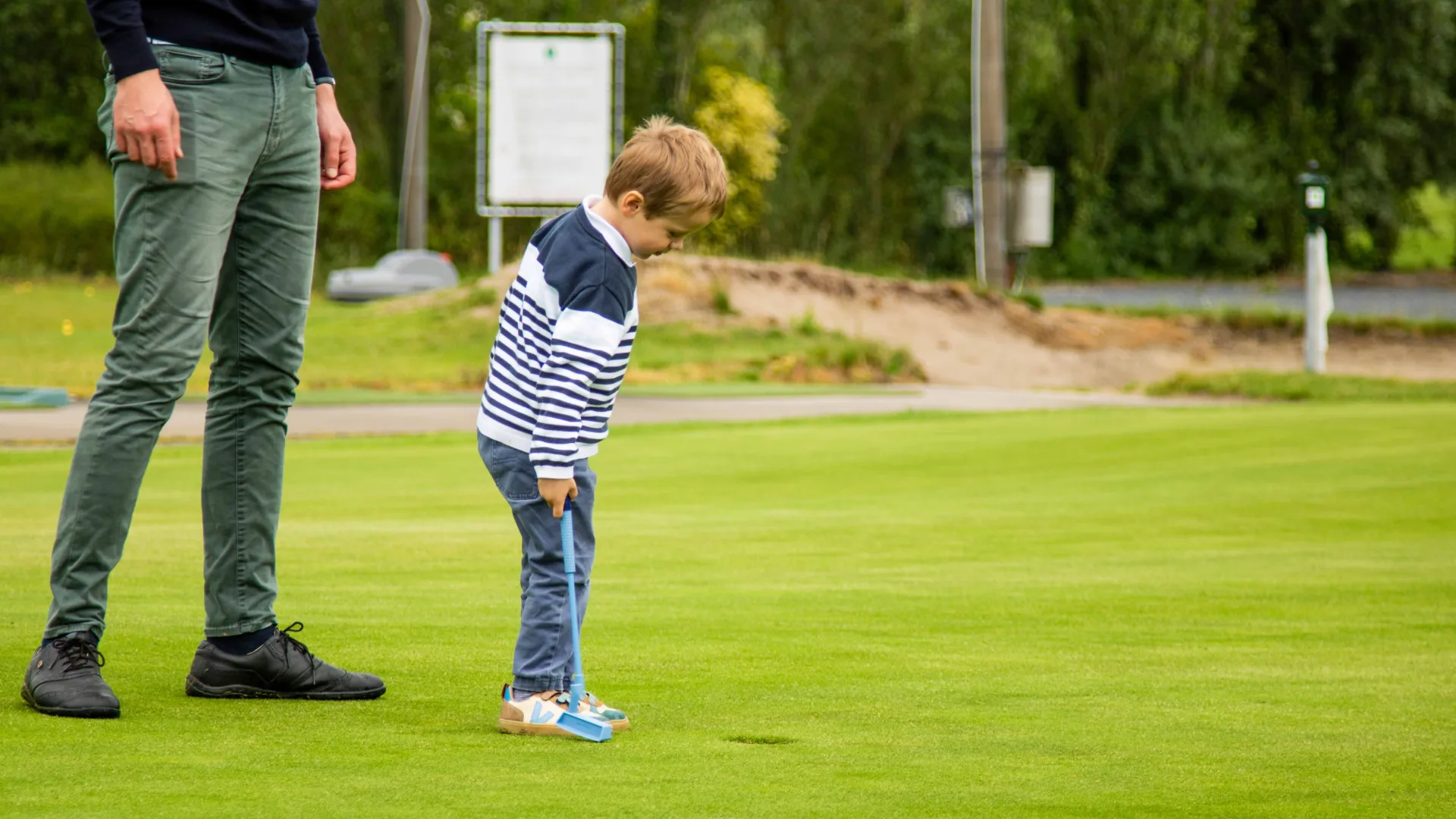
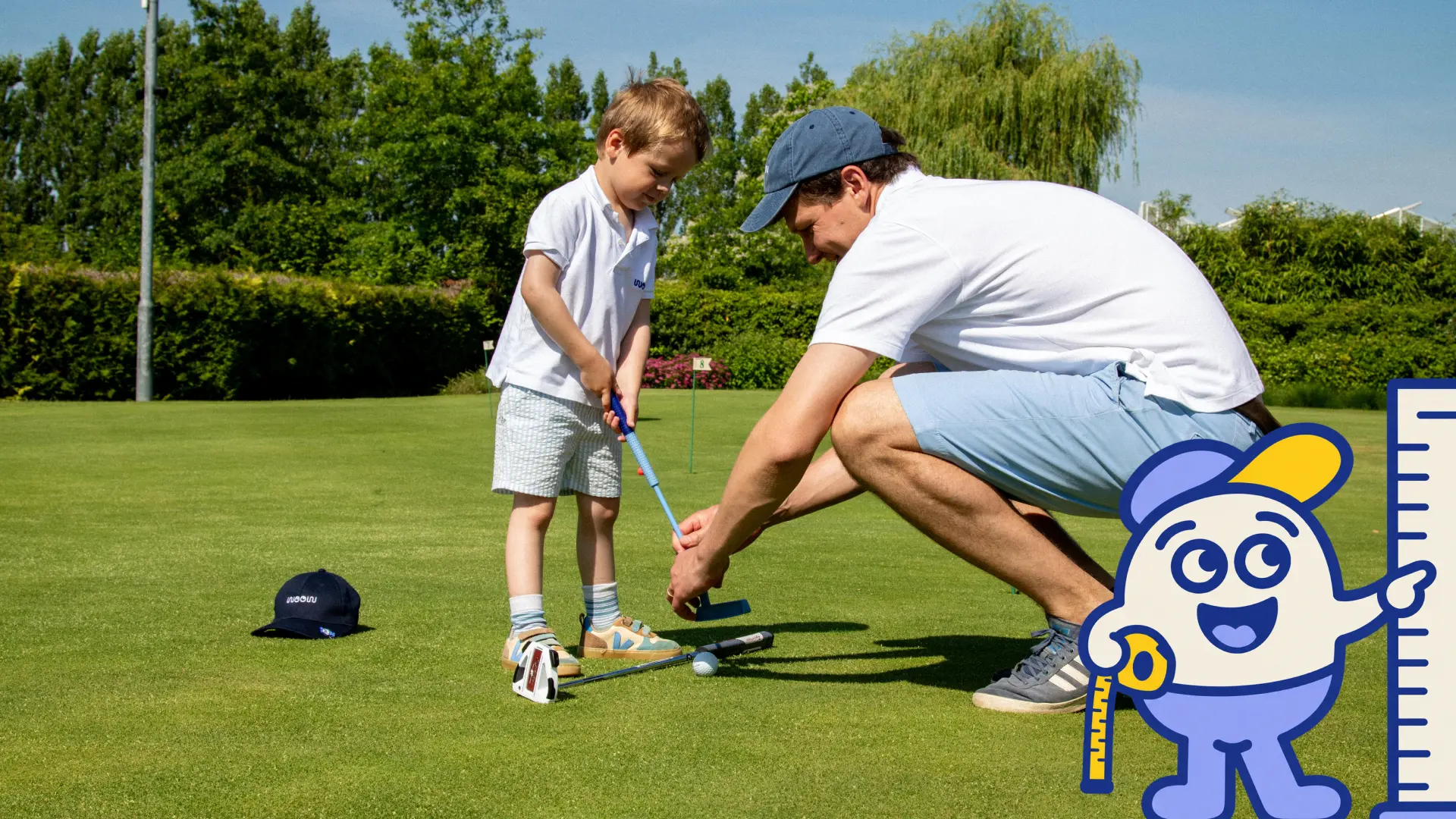
Real club heads, lightweight shafts, grips sized for small hands, and a bag a child can carry. This is the level at which the equipment stops being the limiting factor. A set of three clubs plus a bag in this category is typically the price of a decent pair of children's football boots.
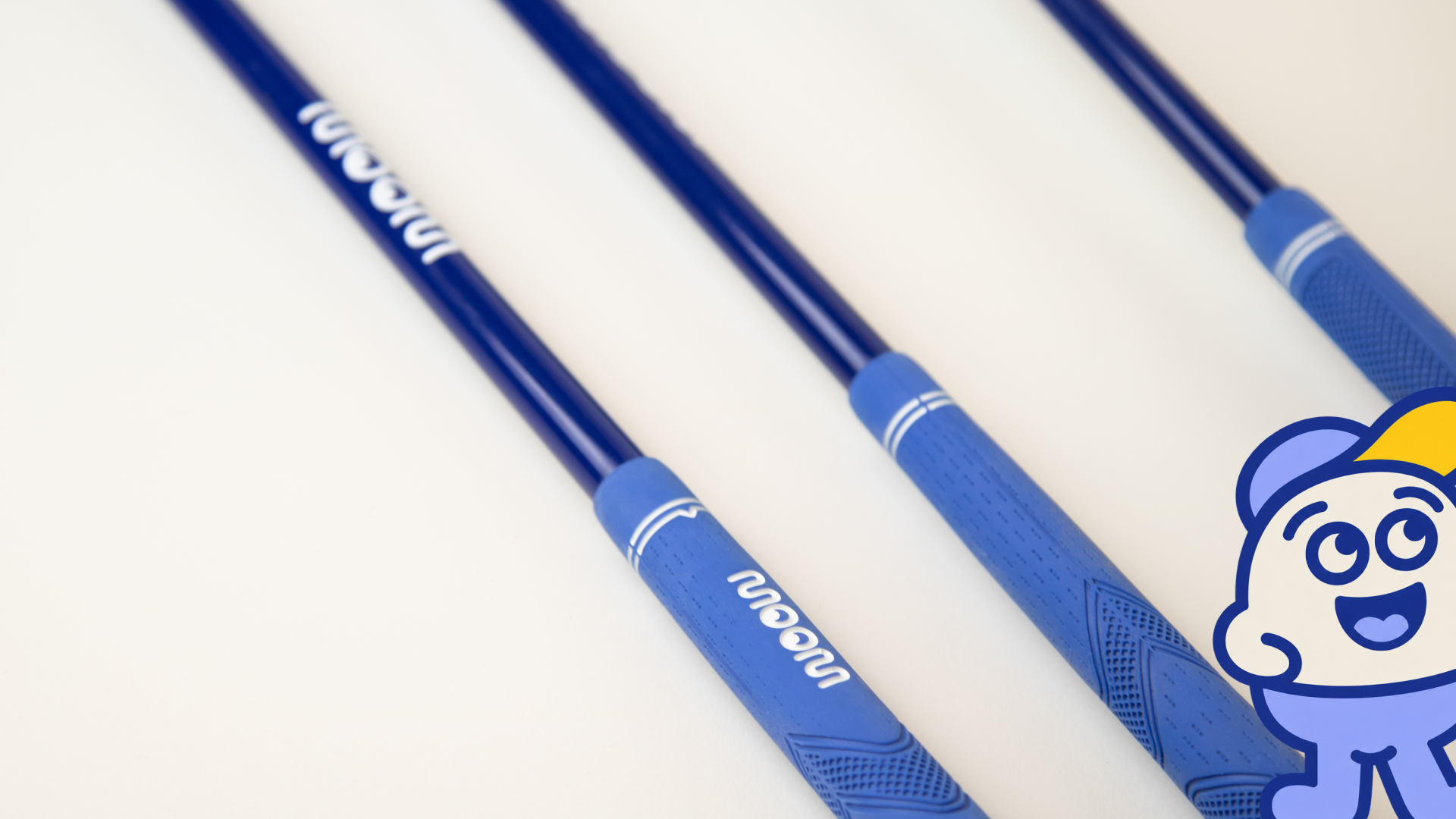
Our own sets for ages 3 to 5 sit here, with published weights for every club: driver 210 g, putter 250 g, iron 7 270 g.
Full junior ranges
Five to seven clubs, multiple height steps, fitting available. Excellent for a child who plays weekly and is heading for competitions. For a first year with a three year old it is more equipment than they can use, and more bag than they can carry.
What is worth paying for
- Published weights. The single strongest predictor of whether a small child can swing the club. If a seller does not publish weights, ask, or weigh the set on a kitchen scale when it arrives.
- A bag they can carry loaded. Most of what makes a three year old feel like a golfer.
- Real heads with real loft. Getting the ball in the air at a slow swing speed is what keeps them coming back.
- A grip sized for their hand. Cheap to add, expensive to ignore.
- Returns you can actually use. A return to another continent can cost more than the difference in price between two sets.
What is not worth paying for at this age
- Extra clubs. Three is enough for the first year.
- Adjustable adult technology. It does nothing at a slow swing speed.
- Anything sold on brand name alone without published specifications.
The cheaper routes that work
- Second hand. Junior clubs are outgrown, not worn out, so the used market is good. Check the grip diameter and the head weight, not just the length.
- Club hire or a taster course. Many clubs run junior sessions with equipment included. National federations such as the Royal Belgian Golf Federation, the Dutch golf federation NGF and the Swedish Golf Federation list junior programmes near you.
- Buy one club first. A putter costs a fraction of a set and a child can play an entire afternoon with it. That is exactly why we built the Spark Putter.
How long the money lasts
Most children stay in one size for around eighteen months, and the set resells afterwards. Spread across that, a well chosen first set is a small cost per session. Our page on when to move up a size explains what triggers the next purchase.
Not sure which level fits your child? Our size guide starts with the measurement, which is the part that decides everything else.
Last updated 17 September 2026
Share this article